
Collecting patches is like collecting souvenirs, whether it's your favorite football team, a summer vacation spot, or a personal design that means something to you. PVC patches have become hugely popular for their bold looks, durability, and endless customization. But how exactly are PVC patches made?
Before we get into it: if you are hoping to make one at home from scratch, it is not really possible. Real PVC manufacturing needs industrial ovens that hit 160 to 180°C, CNC-machined molds, and liquid PVC formulations that are not available at craft scale. What you can do is design your own and have it professionally made, which is what most people do anyway. This guide covers both.
What is a PVC Patch?
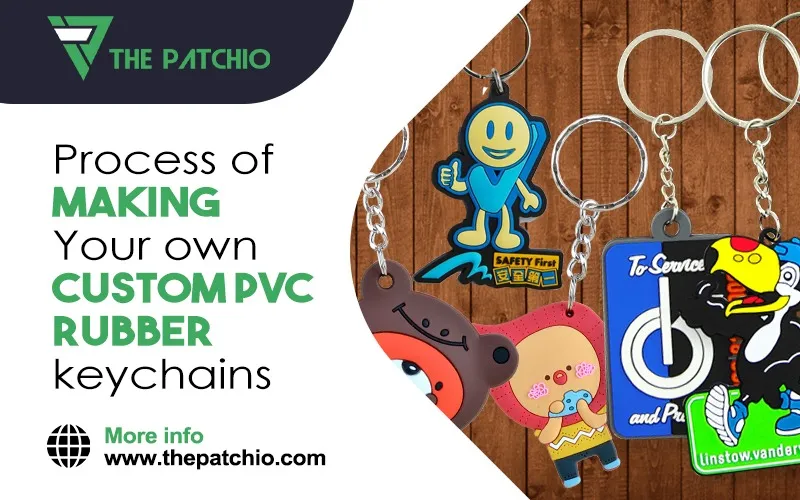
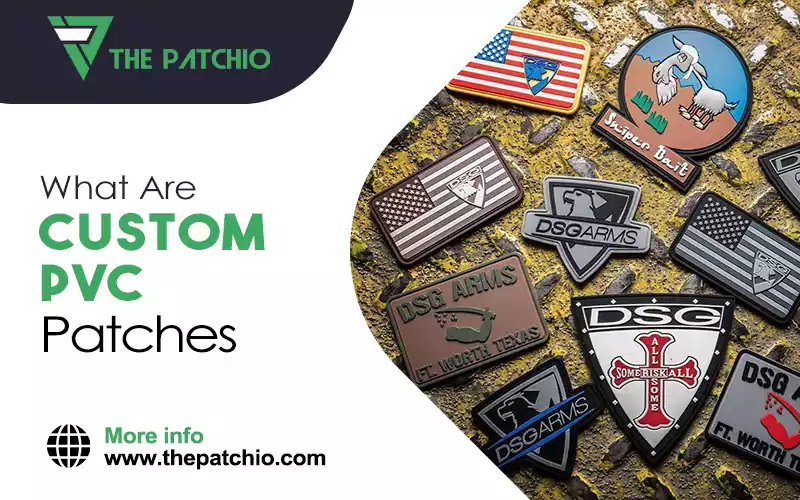
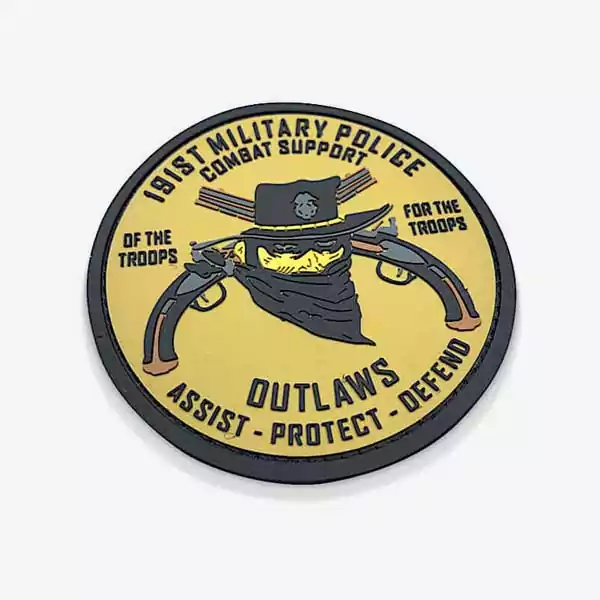
A PVC patch is made from Polyvinyl Chloride, a soft, rubber-like plastic that can be molded into any shape or size. These patches are tough, waterproof, and built to last through wear, weather, and washing.
They're a modern upgrade over traditional embroidered patches, offering vibrant colors, 2D or 3D effects, and no risk of fading, cracking, or peeling. They work on jackets, hats, backpacks, and tactical gear.
Why are PVC Patches popular?
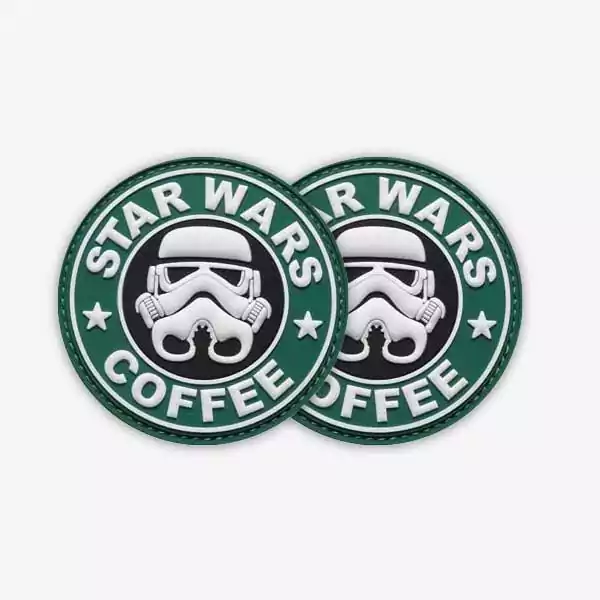
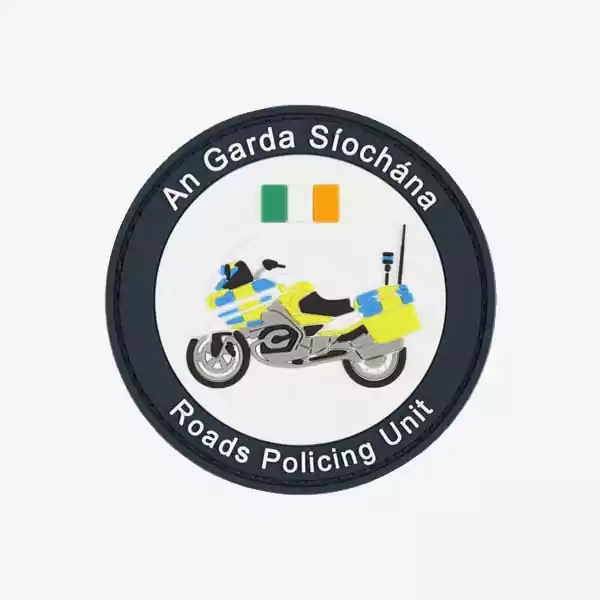
Personalized PVC patches keep gaining traction in 2026 because they're incredibly versatile and long-lasting. Waterproof and UV-resistant, they hold up in rain, sun, or heavy use without colors fading. Industries like military, emergency services, hospitals, streetwear brands, and creators love them for their bold 3D pop and customization options.
You can go wild with shapes, layers, and effects (even glow-in-the-dark in some cases), and each design gets its own mold for precision. They're durable enough for real-world adventures while looking premium.
Need More Information?
Request a quote. We will get back to you within 8-12 hours with a custom product quote.
How Are PVC Patches Made? (The Full Manufacturing Process)
Most guides skip the actual process. Here's what happens inside a PVC patch factory, step by step.
1. Design Preparation
The artwork gets converted into a production file, typically AI or EPS format. Since each color is poured separately into the mold, the file needs clean boundaries between color areas. Gradients get simplified into solid regions because the mold can't reproduce blended tones. Text smaller than roughly 6pt usually gets dropped or simplified for the same reason; the mold detail just isn't fine enough to hold it.
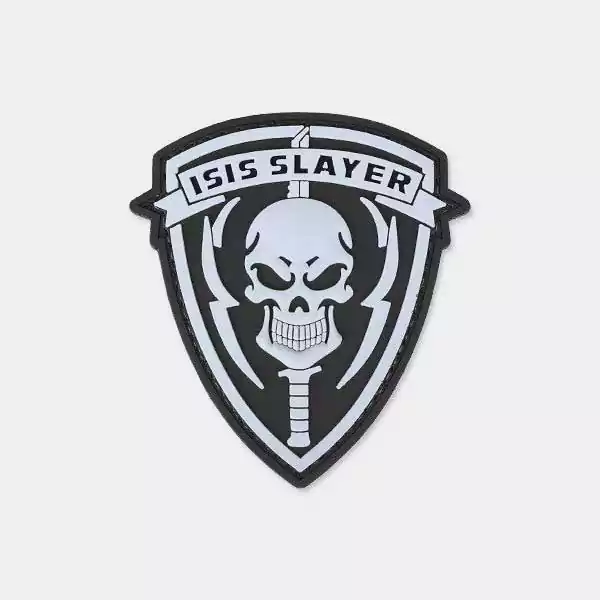
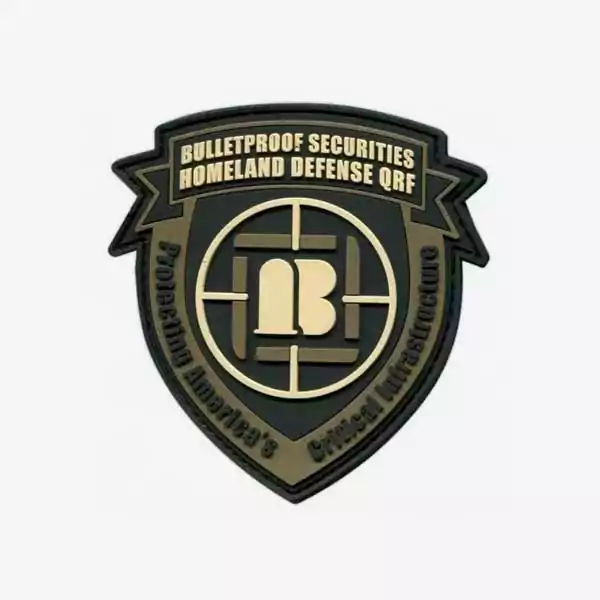
2. Mold Engraving
A CNC router cuts a custom metal mold from aluminum or steel based on the design file. This is the one-time setup cost you'll see quoted separately from per-unit pricing. Every unique design needs its own mold. A single-cavity mold cuts one patch per pour cycle and costs less upfront; a multi-cavity mold cuts several at once and brings down the per-unit cost on larger runs.
3. Color Mixing
Liquid PVC gets mixed to the target Pantone color before anything goes into the mold. The same formulation also sets the Shore hardness of the finished patch, which determines how stiff or flexible it feels. Most standard patches land around Shore A 60 to 80, firm enough to hold shape but still bendable. Patches meant to wrap around curved surfaces use a softer formulation.
4. Layered Pouring
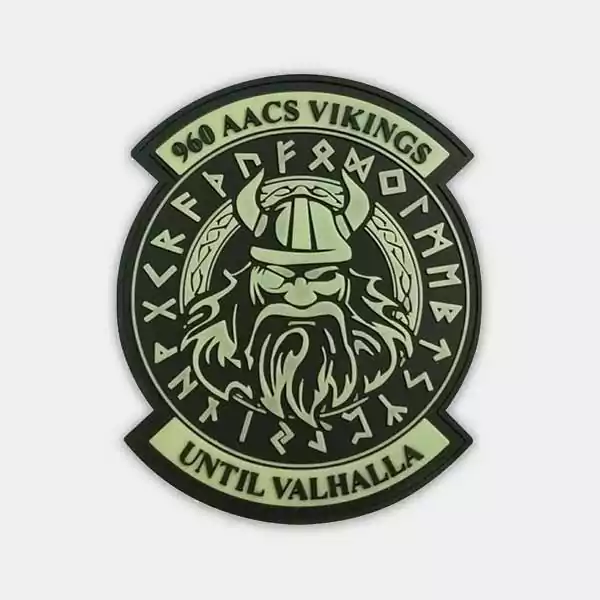
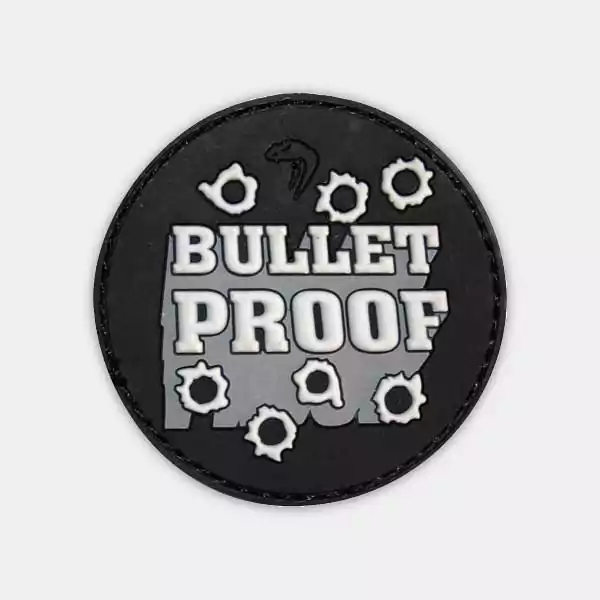
Colors go into the mold one at a time. Each layer gets partially cured in an oven at around 160 to 180°C for roughly 5 to 10 minutes before the next color is added. That partial cure is what keeps colors from bleeding into each other. For 3D patches, the raised sections get additional pours stacked on top of the base layer to build up height.
5. Final Curing
Once all layers are in, the mold goes through a full bake in a vulcanizing press or industrial oven, typically around 20 to 30 minutes at 170°C. This is what bonds all the layers together and locks the patch into its final shape.
6. Demolding and Trimming
The patch comes out of the mold and any excess PVC around the edges, called flash, gets trimmed by hand or die-cut. That trimming step is what gives the finished patch its clean edge.
7. Backing Application
The backing gets heat-bonded or glued onto the reverse side. Common options are sew-on with a plain fabric hem, Velcro hook bonded to the patch with the loop applied separately to the garment, iron-on with a heat-activated adhesive layer, magnetic using a two-part system for metal surfaces, and peel-and-stick adhesive which is not wash-safe.
8. Quality Check
Before packaging, each patch gets checked against the approved proof for color accuracy, edge quality, and how well the layers have bonded. Anything that doesn't match goes back.

How to Design Your PVC Patch
This is the part you actually control. Before sending anything to a manufacturer, these are the decisions you need to make.
Shape
Any closed shape works: circle, rectangle, shield, or a fully custom outline. Simple geometric shapes cost less because the mold is easier to cut. Complex organic outlines with tight curves take more CNC time and usually cost more to produce.
2D or 3D
A 2D patch is flat across the surface. A 3D patch has raised sections that add depth and texture. 3D costs more because it requires additional pour layers, but the result reads differently on a garment, especially at a distance.
Size
Patches can be made from under an inch to 15 inches. For morale patches and brand logos, 3 to 3.5 inches round is the most common. Flag style patches typically run 3x2 inches. Larger patches cost more due to material volume and longer curing time.
Colors
PVC patches use solid Pantone matched colors. Each color is a separate pour, so the design needs defined color separations with no gradients or blended tones. There is no hard limit on color count, but each additional color adds a pour step and increases production time. Specialty options include glow-in-the-dark pigment and reflective material, both available from most manufacturers.
Finish
Matte is standard. Gloss finish requires a clear topcoat applied after curing. Some manufacturers offer a semi-gloss option as well.
Backing Options
You choose one backing type per order.
Sew-on is a plain fabric hem around the edge. It is the most permanent option and the most wash-safe.
Iron-on has a heat-activated adhesive layer on the back. It bonds to fabric with a household iron but works best on flat surfaces and may loosen over time with heavy washing.
Velcro hook gets bonded to the patch and the loop side goes on the garment separately. This is the most common choice for tactical and outdoor gear because the patch can be swapped out.
Adhesive is peel-and-stick, fine for one-time use but not wash-safe. Magnetic uses a two-part system and works only on metal surfaces or garments with a magnetic backing sewn in.
File Format
Submit artwork as AI or EPS. PDF works if it is vector-based. JPEG and PNG are accepted by most manufacturers but require manual conversion, which can introduce errors. If you are working from a raster image, 300 DPI at final print size gives the production artist the most to work with.
How to make PVC Patches at home?
Real PVC production is not a home project. The equipment is industrial, the materials are not available at craft scale, and the fumes from curing PVC require proper ventilation. A home oven does not get consistent enough heat, and liquid PVC formulations used in manufacturing are not sold in small quantities. Two approaches get you reasonably close at home:
Silicone mold with resin: You can pour colored resin into a custom silicone mold. The result looks similar to a PVC patch but is stiffer and more brittle. It will not handle repeated washing the way a molded PVC patch does. Fine for display pieces or prototypes.
3D printing with flexible filament: A 3D printer loaded with TPU filament can produce patch-shaped objects that feel somewhat like PVC. Color layering is limited and surface texture differs from poured PVC, but it is a reasonable way to prototype a shape before committing to a production mold.
For anything that needs to last through washing, wear, and outdoor use, the practical path is to design it yourself and send it to a manufacturer. Here is how that process works:
Step 1: Prepare your artwork
Create your design in a vector program like Adobe Illustrator or Affinity Designer. Keep colors as solid fills with clean boundaries. Export as AI or EPS. If you are not a designer, a clear sketch with color callouts is enough. Most manufacturers have in-house artists who will convert it to a production file.
Step 2: Request a quote
Submit your file and specify size, quantity, backing type, 2D or 3D, and any specialty finishes. Most manufacturers respond same day. You will see a mold fee quoted separately from the per-unit price. Mold fees typically run from $50 to $150 depending on design complexity and are a one-time charge.
Step 3: Review the digital proof
You will receive a rendered mockup showing color placement and layering before anything gets cut. Check color accuracy, text legibility, and edge detail. This is the time to request changes. Once you approve, the mold gets engraved and production starts.
Step 4: Production and shipping
Standard turnaround is 10 to 15 business days including shipping for most online manufacturers. For larger orders, a physical sample typically ships before the full run so you can check quality before the rest goes out.
This way, you get real, high-quality PVC patches without the hassle or safety risks of home attempts.
More Information on PVC Patches
Are PVC Patches Washable?
Yes, machine-washable on gentle cycles (especially with Velcro backing). Colors stay vibrant, no fading or peeling.
Can you put on a PVC patch without sewing?
Absolutely, use fabric glue for adhesive backs, Velcro for removable, or iron-on if available. For permanence, sew around edges.
Can you use a 3D printer to make PVC Patches?
Not really for authentic PVC, 3D printers work better for resin/silicone approximations, but they lack the flexibility, durability, and color depth of molded PVC.
Where to Buy Custom PVC Patches?
For hassle-free, high-quality custom PVC patches, ThePatchio is a top choice. We offer no minimum order quantity, perfect for small runs, testing designs, or personal projects, along with free worldwide shipping on all orders.
Our process is collaborative: upload your artwork, get free digital proofs with unlimited revisions, and receive durable, vibrant patches (2D/3D, any backing) that match your vision exactly. Whether you're starting small or scaling up, it's easy, affordable, and reliable. Head to thepatchio.com or request a free quote today, we respond fast!
Want PVC Patches Delivered at Your Doorstep?
At The Patchio, we have everything you need to make PVC patches. With exclusive designs and various discounts, there is no better place to shop. Don't wait, order your supplies today!