
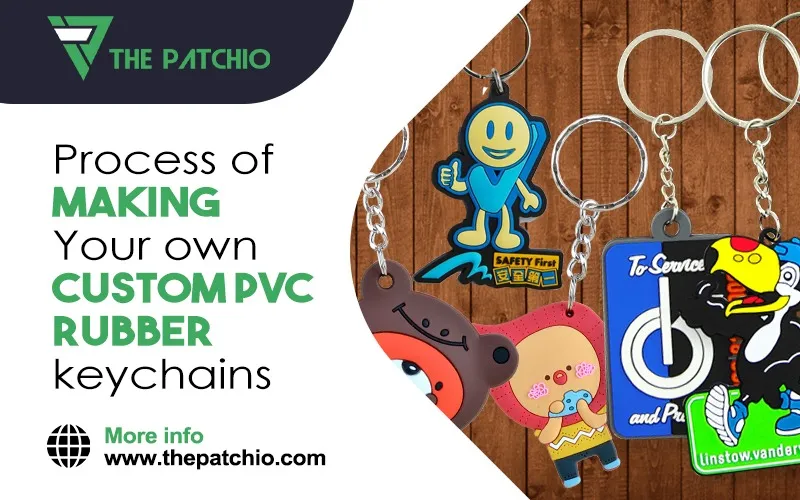
Are you tired of buying generic plastic or metal keychains that lack personality? What if you could create keychains that are not just functional but also a perfect reflection of your style or brand? Keychains are a subtle yet effective marketing tool for businesses, an advertisement that goes wherever the carrier takes it. And for individuals, they're a great way to add a personal touch to your everyday essentials.
Among the keychain options out there, PVC rubber keychains stand out for their durability, flexibility, and customization range. These features make them an ideal solution whether you want a quirky personal accessory or an affordable promotional item.
This blog covers the full step-by-step process used to make PVC keychains, the cost and design factors that affect your order, and how PVC keychains compare to PVC patches if you are deciding between the two.
But before diving in, let's understand the two main production processes used to create these keychains.
The Two Main PVC Keychain Production Processes
Manual Dispensing Process
This process is suited for small-scale operations and startups. It works well when handling only a few molds and producing in limited quantities. While slower than automated methods, it is cost-effective for small runs and offers precise attention to detail.
Micro Drip Method (Mechanical Dispenser)
This method is designed for mass production and is used by large-scale manufacturers. The mechanical dispenser's speed and accuracy make it financially advantageous, allowing companies to meet high demand efficiently. This process is your best bet if you are planning bulk orders for promotional campaigns.
Step-by-Step Guide to Making PVC Keychains
Step 1: Designing a Template
Creating a PVC keychain begins with designing a detailed template. Follow these tips to get started:
Decide what design, logo, or text you want on your keychain. Intricate designs may increase production costs. Choose whether your design will appear on one or both sides of the keychain. Select a shape to complement your design. It can be a solid outline or a custom shape around your logo. Pick a color palette that aligns with your brand or style.
For design files, vector formats such as AI, EPS, or PDF give the cleanest production result. JPG and PNG files are accepted but may require manual conversion before the mold gets cut.
Step 2: Choosing a Mold
The mold determines the shape of your keychain. Here is what to consider:
Molds are typically made from aluminum, which is the industry standard, or steel for larger production runs where the mold needs to withstand higher pour volumes. Detailed molds require CNC machine carving, while simpler designs can be hand-carved to save costs. Electroplating the mold ensures a smooth surface and helps avoid air bubbles, resulting in a flawless keychain.
Each unique design requires its own mold, which is why mold fees are typically a one-time charge separate from the per-unit price.
Step 3: Preparing Raw Materials
To create your keychain, you will need soft, transparent PVC mixed with pigments of your choice:
Mix pigmented colors thoroughly to achieve your desired shade. Use glossy or matte pigments based on your preference. Remove air bubbles from the mixture by placing it in a vacuum chamber to ensure a smooth finish.
The colors are Pantone-matched at the liquid stage before they go into the mold. PVC keychains use solid colors only since the material is poured in layers, so gradients and photographic blends are not possible.
Step 4: Filling the Mold
Inject the prepared PVC mixture into the mold:
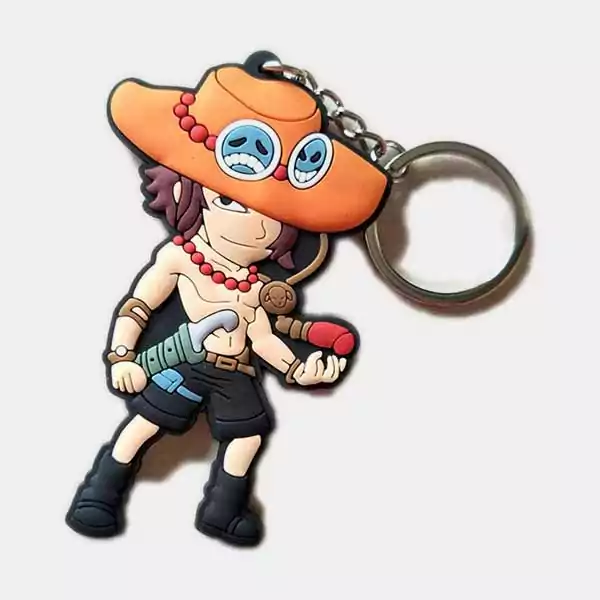
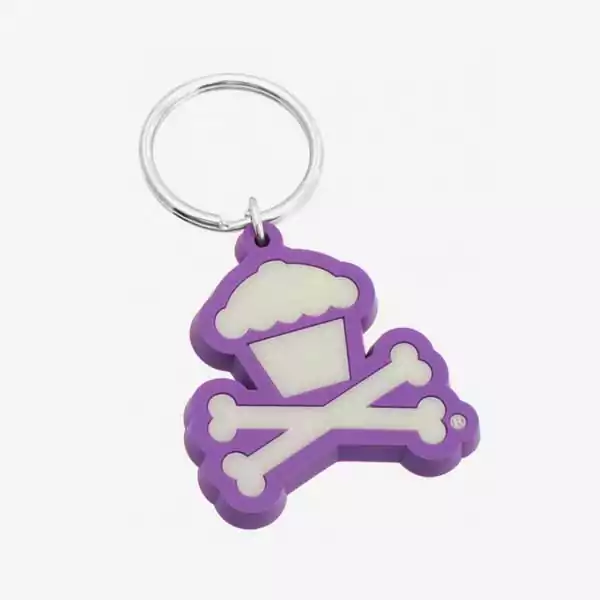
For simple designs, you can fill the mold manually. For more complex designs, a machine dispenser offers better precision. Pay attention to details while filling to avoid imperfections.
Each color is poured as a separate layer. Between layers, the mold goes through a partial cure to lock the color in place before the next pour begins, preventing colors from bleeding into each other.
Step 5: Baking the Mold
Once the mold is filled, bake it to solidify the PVC:
Place the mold in a specialized oven at around 160 to 180°C. Partial curing between layers typically runs 5 to 10 minutes, with the final full bake taking 20 to 30 minutes at 170°C in a vulcanizing press or industrial oven. This locks all layers together and gives the keychain its final shape.
Step 6: Adding the Finishing Touches
Your keychain is almost ready. Follow these steps to complete it:
Remove the keychain from the mold while it is still slightly warm. Trim any excess PVC around the edges (called flash) for a clean finish. Attach the metal chain and ring using pliers. Be careful not to damage the keychain during assembly. Consider packaging each keychain individually in transparent bags for bulk production to maintain quality.
Common attachment options include split rings (the standard keychain ring), swivel rings (allow the keychain to rotate freely), lobster clasps (clip on and off easily), and D-rings (for bag and backpack attachment).
2D vs 3D PVC Keychains: What Is the Difference?
When ordering custom PVC keychains, one of the first choices you will make is between 2D and 3D designs.
2D PVC keychains are flat across the surface. The design has multiple colors but no raised or sculpted areas. The keychain has a uniform thickness throughout, usually around 3mm. This is the more affordable option and works well for logos, names, simple icons, and text-based designs.
3D PVC keychains have raised, sculpted sections that add depth and texture to the design. Different parts of the artwork sit at different heights, which creates a more visually striking finish that reads well even from a distance. Thickness can run from 4mm up to 7mm or more depending on how much relief the design has. Because 3D keychains require additional pour layers and longer production time, they typically cost more than 2D versions.
Choose 2D for budget-friendly promotional giveaways and simple logo designs. Choose 3D when the design has detailed artwork or when the keychain needs to feel more premium, such as for retail merchandise or commemorative items.
How Much Do Custom PVC Keychains Cost?
PVC keychain pricing comes down to two parts: the one-time mold fee and the per-unit cost.
Mold fee: Typically $50 to $150 as a one-time charge. The exact amount depends on design complexity and whether the mold is single-cavity (one keychain per pour cycle) or multi-cavity (several at once).
Per-unit cost: Pricing drops as quantity increases. Typical ranges:
- 25 to 50 pieces: $3 to $7 per keychain
- 100 to 200 pieces: $2 to $4 per keychain
- 500 or more pieces: $1 to $2 per keychain
Factors that affect per-unit cost include size, number of colors, 2D vs 3D, attachment type, and any specialty finishes like glow-in-the-dark or metallic pigment. Larger keychains and 3D designs sit at the higher end of each range.
For single keychains or prototypes, expect to pay $20 to $50 including the mold fee. This is why most buyers order in batches of 50 or more to bring the per-unit cost down to a reasonable level.
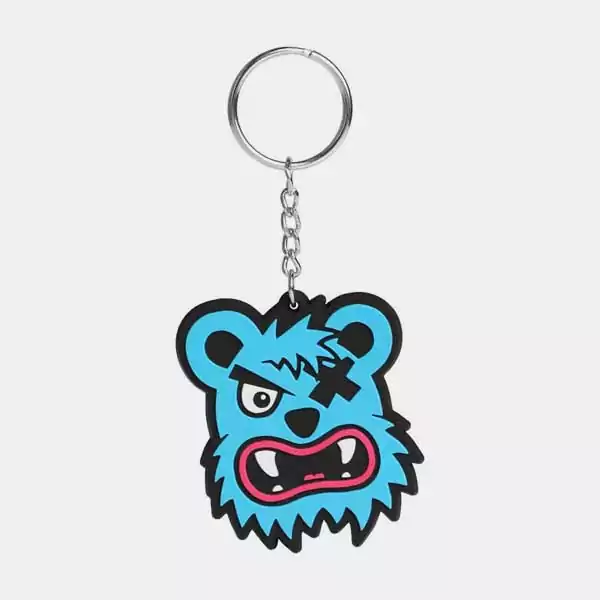
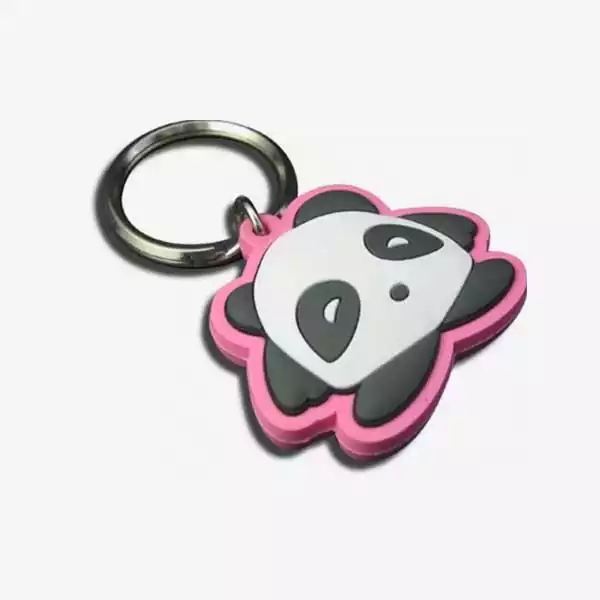
PVC Keychains vs PVC Patches: Which Is Right for Your Project?
Both products use the same base manufacturing process but serve different purposes. Here is how they compare:
| Feature | PVC Keychain | PVC Patch |
|---|---|---|
| Attached to | Keys, bags, backpacks | Garments, uniforms, tactical gear |
| Standard thickness | 3mm to 7mm | 2mm to 5mm |
| Standard size | 1.5 to 3 inches | 2 to 5 inches |
| 2D or 3D options | Both | Both |
| Backing | Split ring, swivel, lobster clasp | Sew-on, Velcro, iron-on, magnetic |
| Best use | Promotional giveaways, retail merchandise, personal accessories | Uniform identification, brand merchandise, morale items |
| Cost per unit | Slightly higher (includes hardware) | Slightly lower (no hardware) |
The main practical difference is the attachment hardware. PVC keychains come with a metal ring, clasp, or chain pre-attached, which adds a small cost to each piece. PVC patches finish at the edge with a backing material chosen by the buyer.
If you are deciding which to order: keychains work better for handouts, brand giveaways, and items meant to be carried around. Patches work better when the design needs to live on a uniform, jacket, hat, or piece of tactical gear.
Uses of Polyvinyl Chloride Keychains
PVC keychains are versatile and serve various purposes:
- Business Promotions: Companies use them as affordable giveaways to promote their brand.
- Personalized Gifts: Perfect for commemorating special events or showcasing favorite designs.
- Aesthetic Accessories: PVC keychains add personality to your keys or bags.
- Statements and Trends: Share opinions, showcase fandoms, or celebrate cultures with custom designs.
Why Choose ThePatchio for Custom PVC Keychains?
At ThePatchio, we deliver high-quality custom PVC keychains tailored to your needs. With options for various designs, colors, and materials, we offer:
- Customization Flexibility: Create unique keychains that align with your brand or personal preferences.
- Quality Assurance: Our team ensures that each keychain meets the highest standards.
- Diverse Options: Beyond PVC, we provide embroidered keychains and custom PVC patches for added variety.
Final Word
PVC keychains are a flexible, durable, and creative way to express yourself or promote your business. Whether you need a handful for personal use or thousands for a marketing campaign, they are a memorable accessory that leaves a lasting impression.
Follow this guide to make your own or partner with ThePatchio to bring your vision to life. Start crafting keychains that are as unique as you are today.