
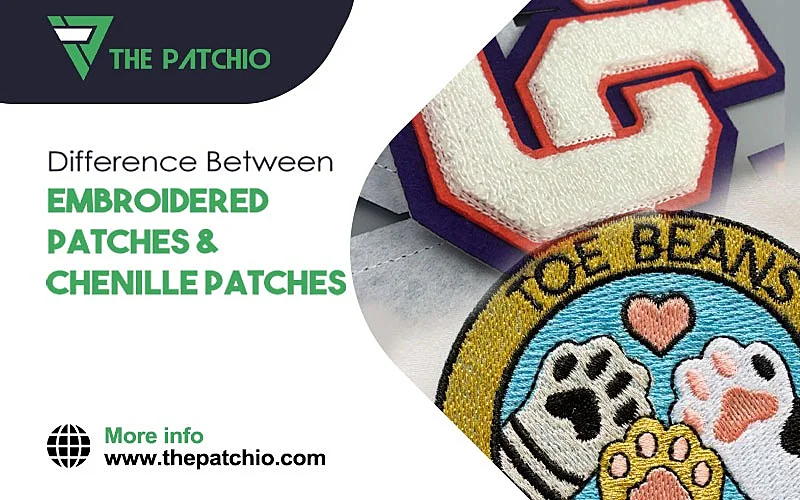
Embroidered and chenille patches both add personality to clothing, but they are made differently, feel different, and serve different purposes. If you are deciding which one to put on a jacket, uniform, or piece of merchandise, knowing the difference saves you from ordering the wrong thing.
The short version: embroidered patches use thread to create detailed, smooth designs, while chenille patches use looped yarn to create a soft, raised, fuzzy texture. Embroidered is for detail. Chenille is for bold, simple statements like the varsity letters you see on letterman jackets.
Below we break down what each patch is, how they are made, and exactly how they differ.
What Are Chenille Patches?
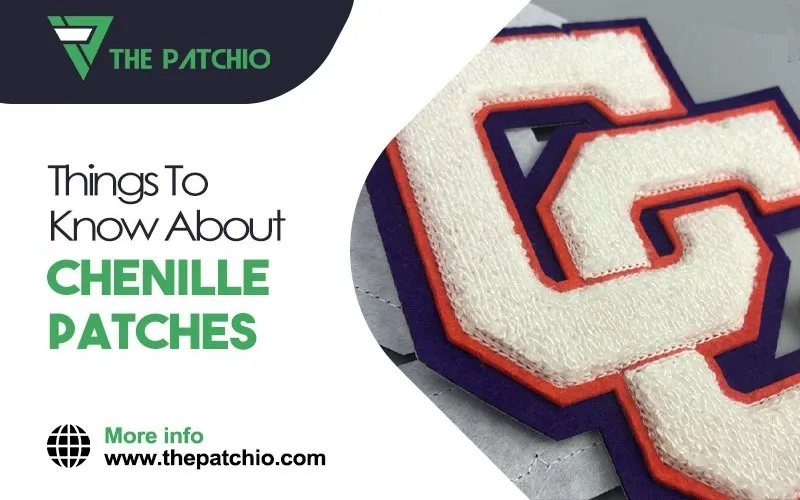
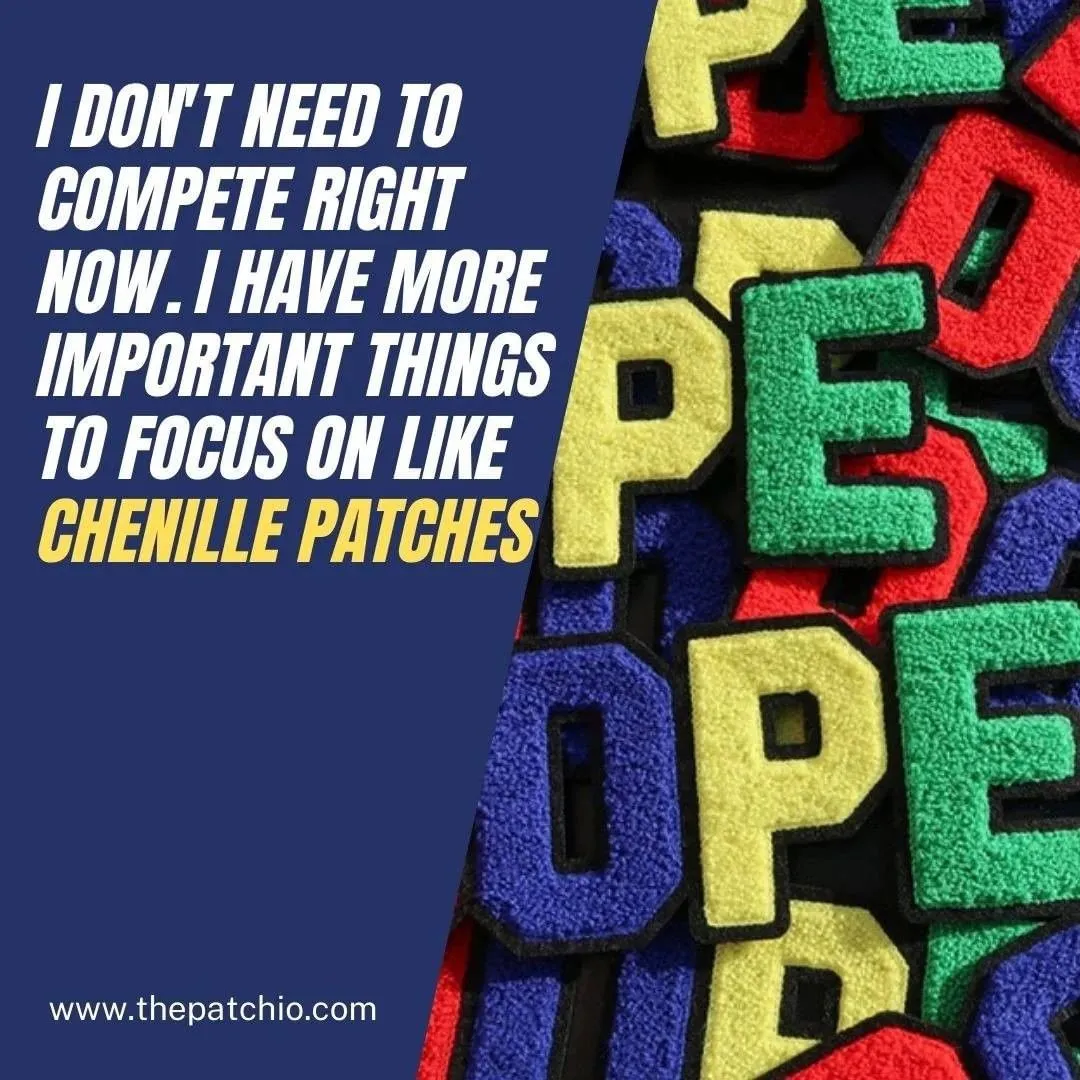
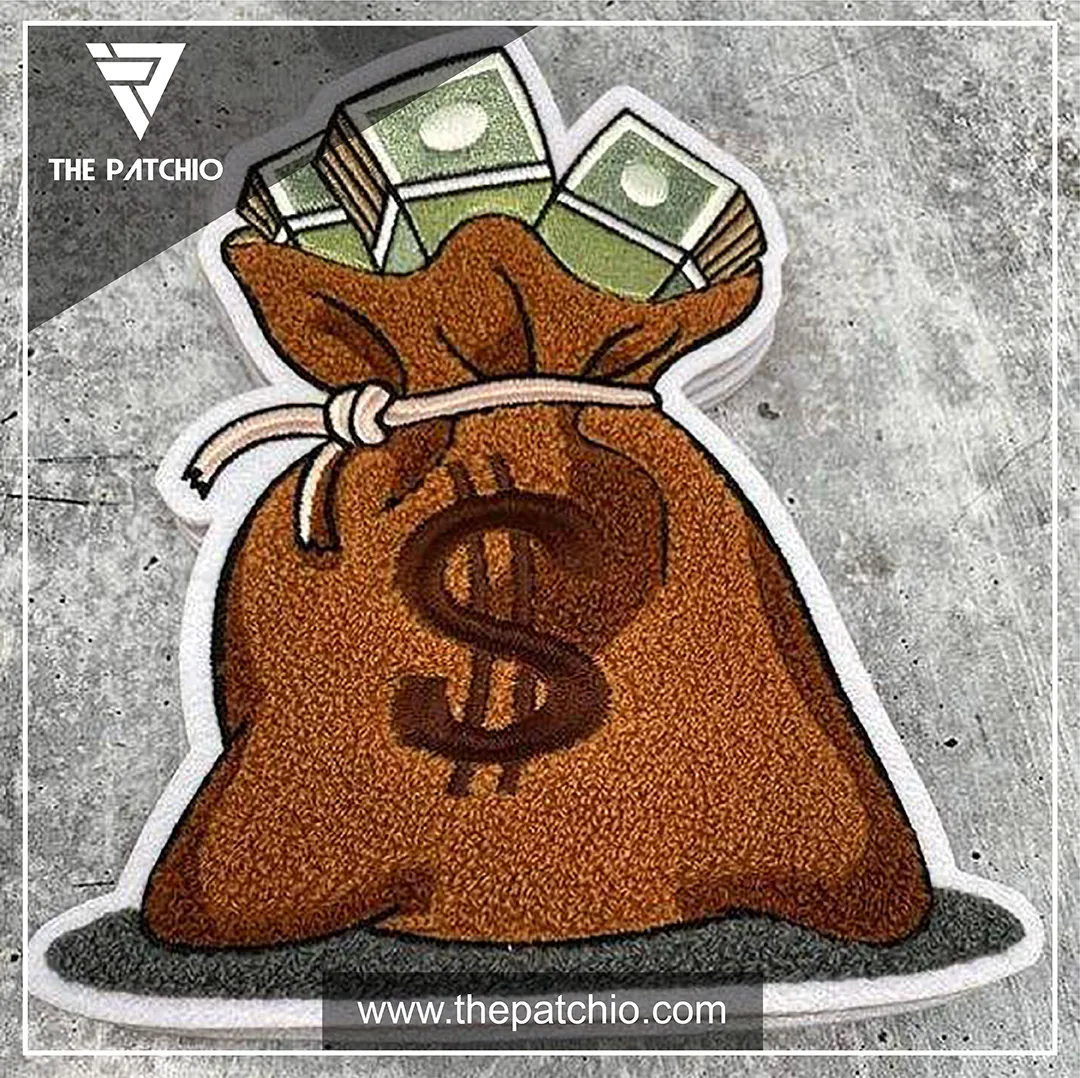
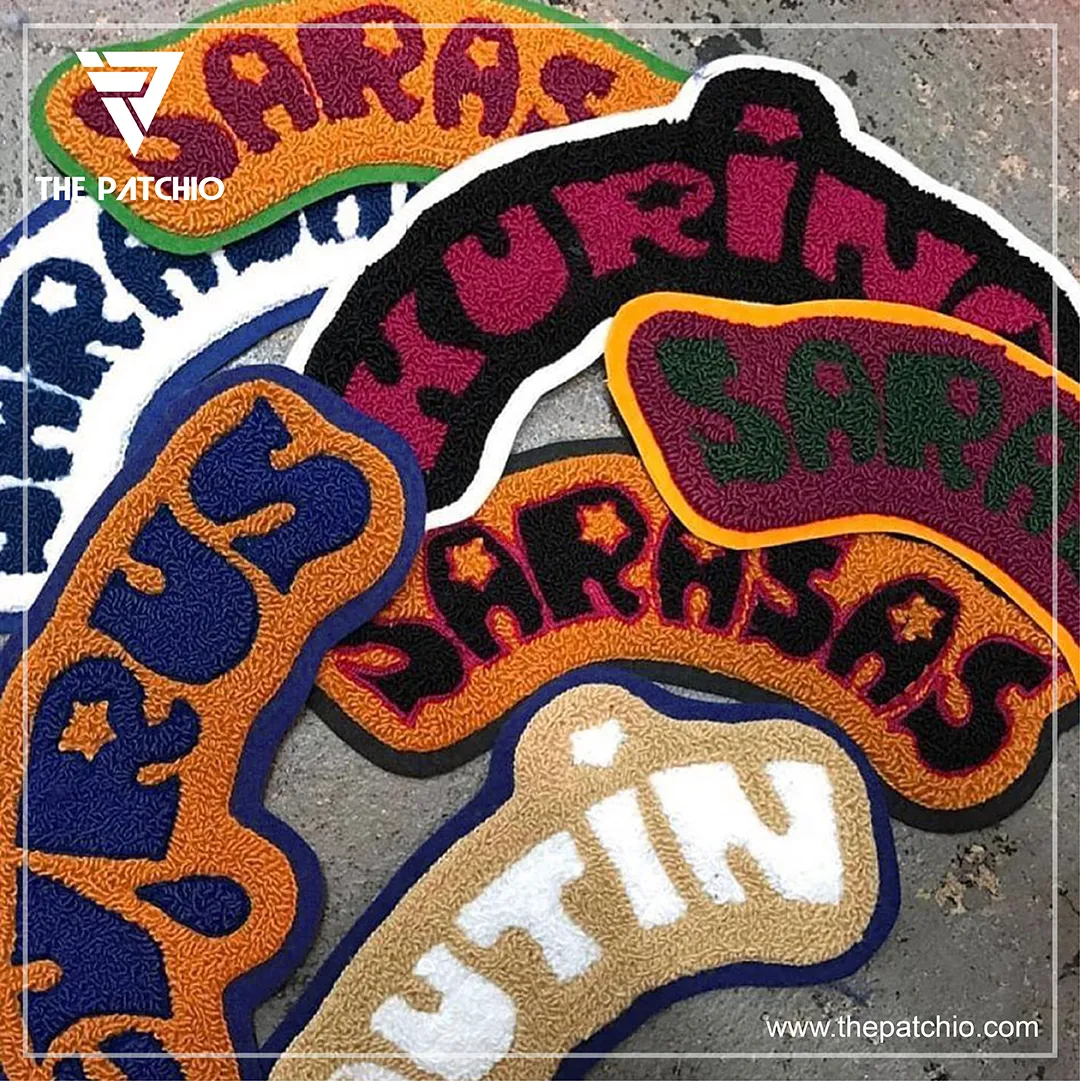
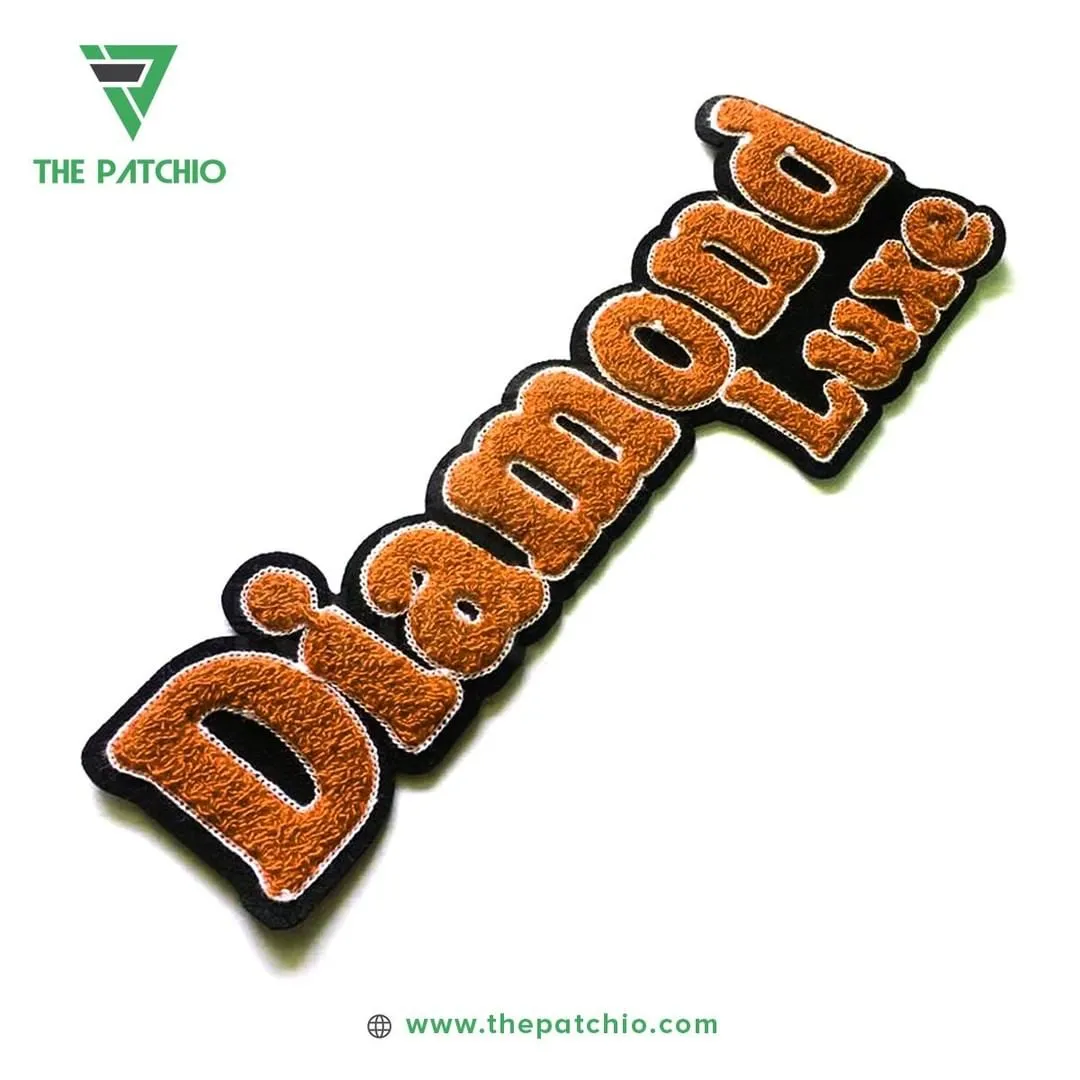
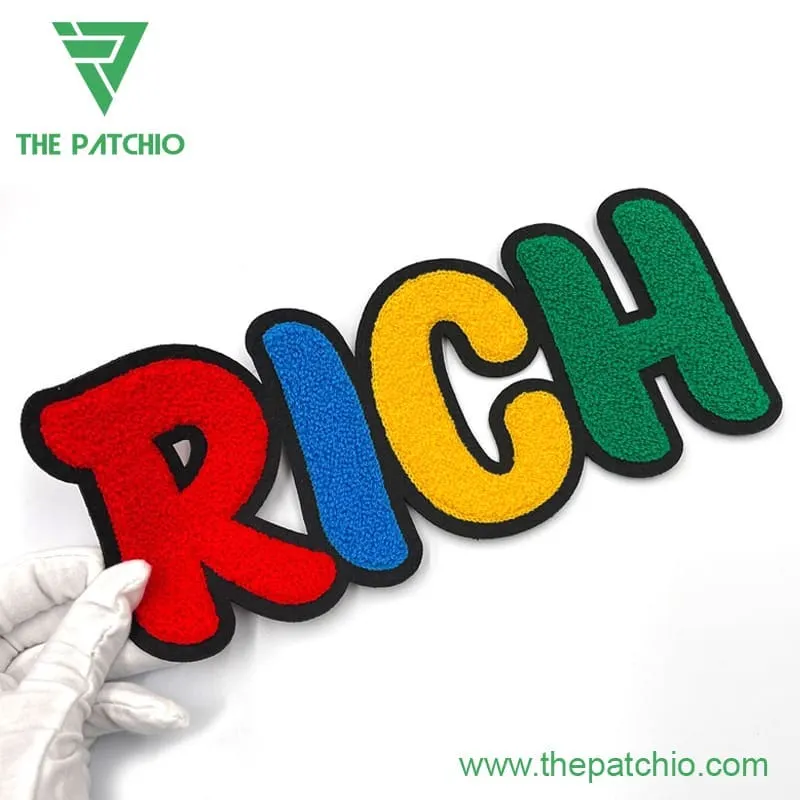
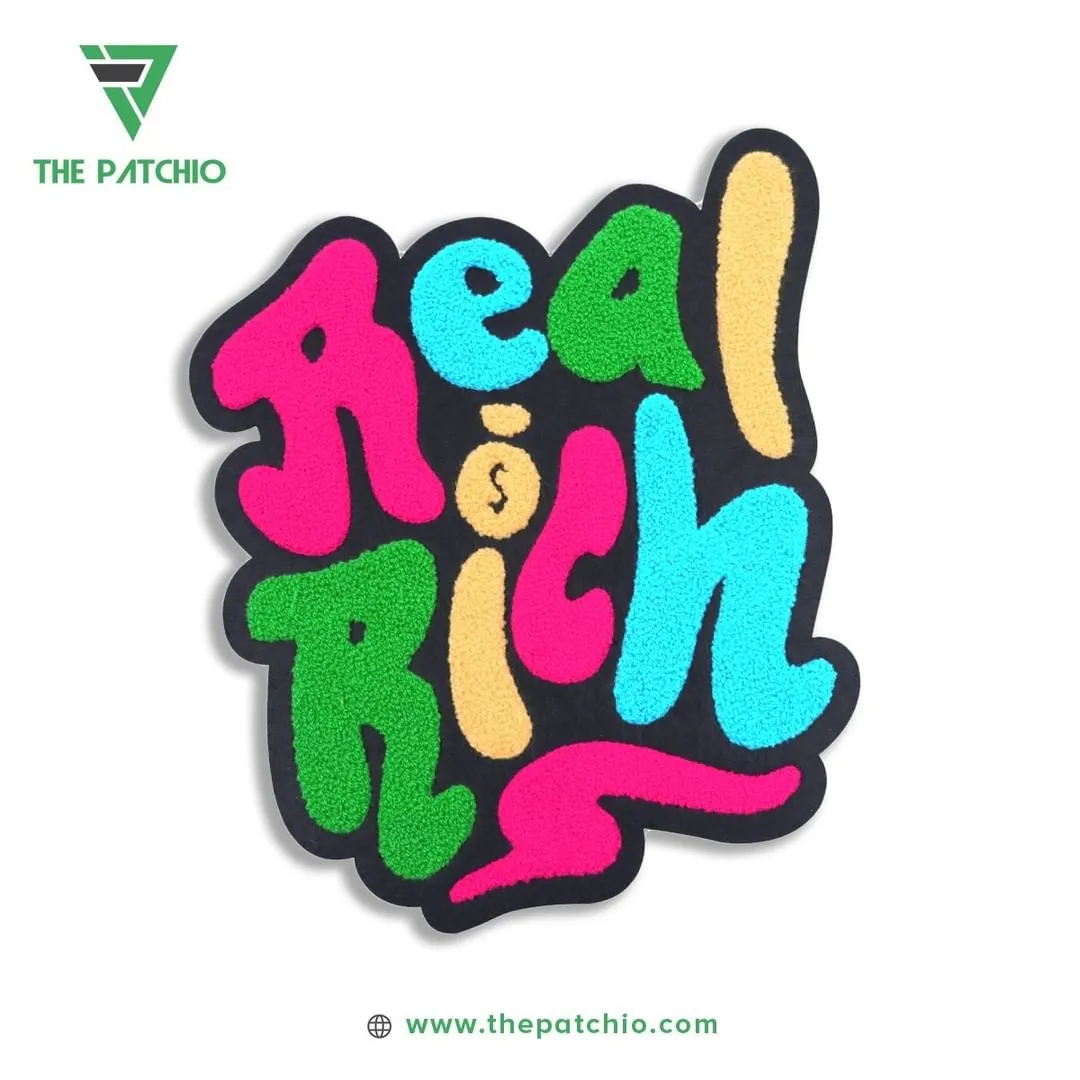
Chenille patches have a soft, plush, raised texture that feels almost like carpet. They are made by looping yarn over a base fabric to create that distinctive fuzzy surface. The name comes from the French word for caterpillar, which is what the looped yarn resembles up close.
Chenille patches are made from acrylic or cotton yarn, not silk. Acrylic is the most common because it holds color well, resists wear, and keeps costs reasonable. The yarn is stitched onto a felt or twill backing using specialized chenille machines, then cut out and applied to the garment like any other patch.
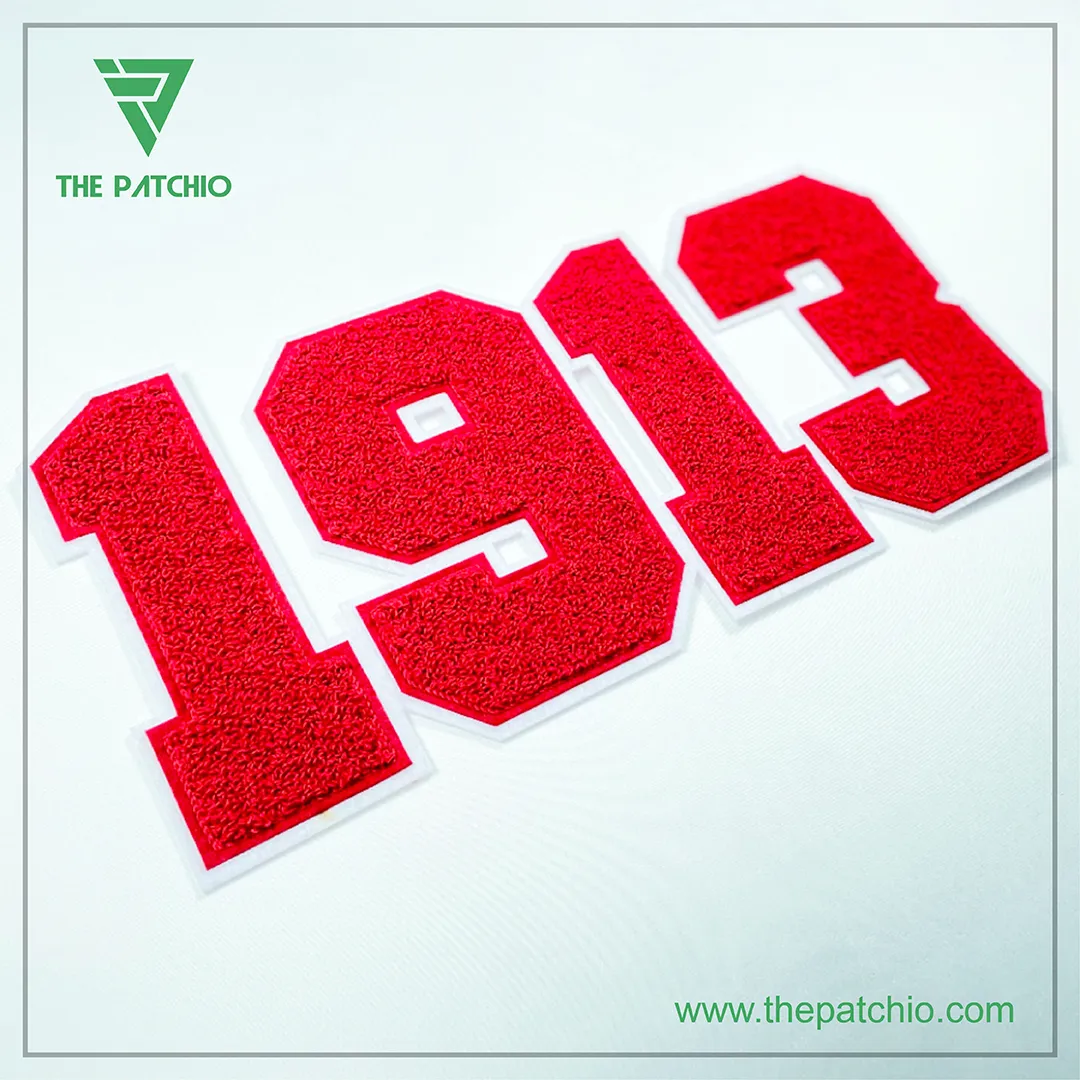
You will recognize chenille patches from school apparel, sports uniforms, band jackets, and especially varsity letterman jackets. They are built for bold, large designs rather than fine detail. Because the yarn is thick and raised, chenille cannot reproduce small text or intricate artwork the way embroidery can. What it does well is create warmth, texture, and that classic old-school look.
What Are Embroidered Patches?
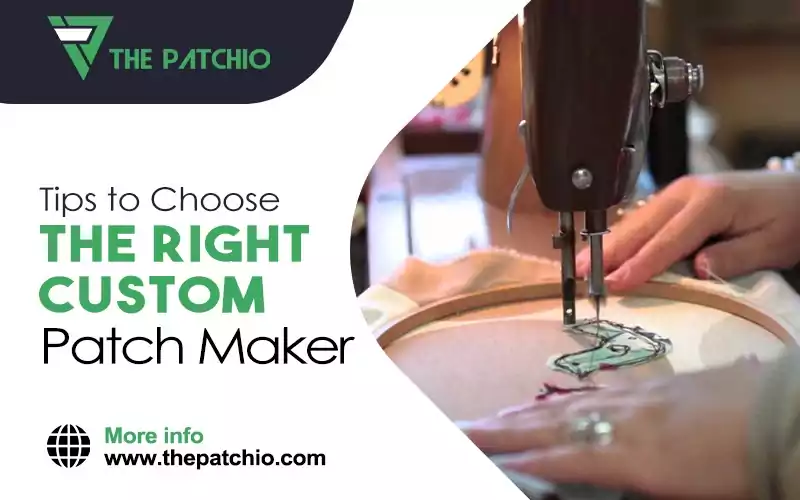
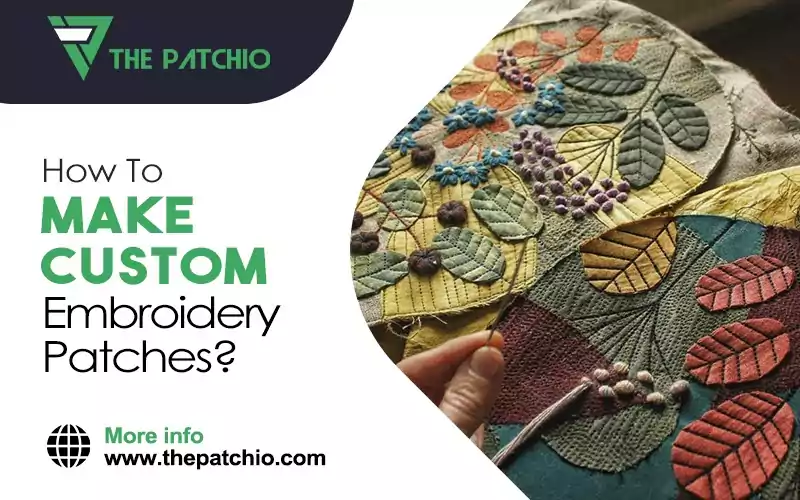
Embroidered patches are made by stitching thread onto a fabric base, usually twill, using embroidery machines. The result is a smooth, detailed, durable patch that can reproduce fine artwork, small text, and complex designs.
Embroidery has been around for centuries as a form of textile craft, and patches are one of its most practical applications. Today embroidered patches show up on uniforms, club apparel, military badges, scout sashes, and promotional merchandise. They combine durability with sharp detail, which is why they remain the most common patch type.
Compared to chenille, embroidered patches have a flatter, more refined finish. They handle detail that chenille cannot, and they work at smaller sizes. Where chenille gives you bold and fuzzy, embroidery gives you precise and versatile.
How Chenille Patches Are Made
The chenille process is different enough from standard embroidery that it is worth walking through:
The design is created on a separate base fabric, often called scrim or felt backing, rather than directly on the final garment. Specialized chenille machines loop thick yarn onto this backing. Unlike standard embroidery machines, chenille machines work without a bobbin, which is one of the key mechanical differences between the two processes.
The machine runs at a slower speed than standard embroidery because the yarn is thick and the loops need to form cleanly. Once the design is complete, the patch is cut out and then sewn or attached to the final garment.
Because the yarn is thick, it covers large areas quickly with relatively few stitches, and the heavier yarn breaks far less often than thin embroidery thread during production.
The Key Differences Between Embroidered and Chenille Patches
Here is a side-by-side comparison for quick reference:
| Feature | Embroidered Patch | Chenille Patch |
|---|---|---|
| Material | Polyester or rayon thread | Acrylic or cotton yarn |
| Texture | Smooth, flat, detailed | Soft, raised, fuzzy |
| Detail level | High, handles fine text and artwork | Low, best for bold simple designs |
| Minimum text size | Around 5mm letter height | Around 2 inch letter height |
| Best for | Uniforms, military, brands, detailed logos | Letterman jackets, varsity letters, school apparel |
| Look | Refined, versatile | Bold, vintage, nostalgic |
| Typical cost | Lower | Higher (more material and specialized equipment) |
| Size suited for | Any size, including small | Larger designs only |
The sections below go deeper on the differences that matter most.
Stitching Process
Chenille and embroidery use different machines. Chenille machines run without a bobbin and loop yarn to create the raised pile, while embroidery machines use a standard thread-and-bobbin system to lay flat stitches. This is the core mechanical difference between the two.
Detail and Size
This is the biggest practical difference. Embroidered patches can reproduce small text and intricate detail, with letters as small as around 5mm tall. Chenille letters need to be at least 2 inches tall because the yarn is so thick. This is why chenille is used for large varsity letters and bold shapes, while embroidery handles detailed logos, badges, and fine lettering. Many designs combine both: chenille for the large letter and embroidery for the smaller details around it.
Cost
Chenille yarn covers large areas with fewer stitches, which sounds cheaper, but chenille patches generally cost more than embroidered patches. The specialized yarn uses more material, and the chenille equipment and slower production add to the price. So while embroidery is more cost-effective overall, chenille's strength is the texture and look, not the savings.
Usage and Look
Embroidered patches suit anyone wanting a classic, detailed piece. They are worn by military units, emergency services, scout troops, brands, and clubs because they hold precise designs and tough detail on a firm backing.
Chenille has a fuzzy, plush, caterpillar-like texture and an old-school feel. It is most associated with high school and college letterman jackets, sports teams, and band apparel. Chenille reminds people of varsity traditions and team pride, and it looks great even at large sizes. The trade-off is that it cannot do precise detail.
Symbolism
Chenille patches carry a particular emotional weight. The varsity letter earned and sewn onto a letterman jacket represents effort, dedication, and a spot earned on a team. For many students, that first chenille letter is a milestone. Embroidered patches carry meaning too, especially military and scout patches, but chenille's strongest association is with that earned, celebratory varsity tradition.
Best Occasions for Each
Embroidered patches are versatile enough for almost any use. You can order any shape, size, or color, which makes them ideal for detailed logos, military badges, scout merit emblems, brand merchandise, and fundraising patches for organizations.
Chenille patches suit bold, celebratory, and decorative uses. Beyond letterman jackets, the plush yarn also works well on blankets, sweaters, and framed awards where texture and a classic look matter more than fine detail.
Conclusion
The choice between embroidered and chenille patches comes down to what you need. If your design has fine detail, small text, or a complex logo, embroidery is the way to go. If you want a bold, textured, classic varsity look, chenille is the better fit. And if your design calls for both, the two can be combined on a single patch.
If you are not sure which suits your project, ThePatchio can walk you through the options and produce both embroidered patches and chenille patches built to last.