
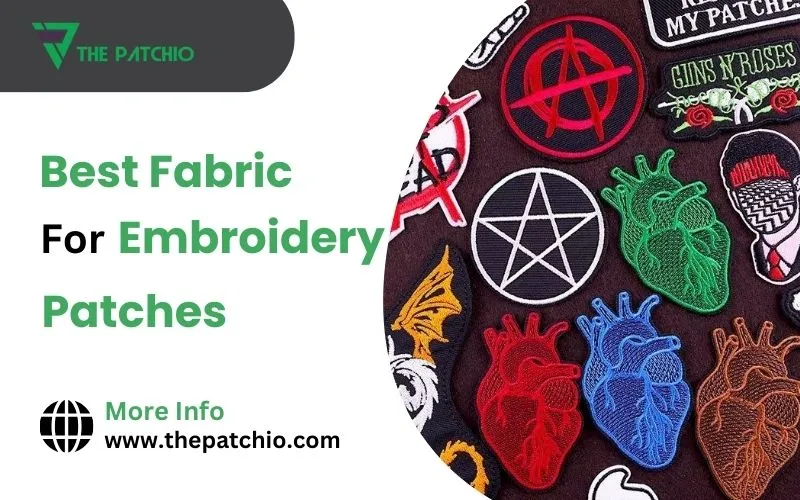
When people ask about the best fabric for embroidery patches, they are usually asking one of two questions. Either "what fabric is the patch itself made from?" or "what fabric should I attach my patch to?" Both matter, and they are not the same thing.
An embroidered patch is its own object. The thread is stitched onto a base fabric, and that finished patch then gets attached to a garment like a jacket, shirt, or bag. So there are two fabrics in play: the base the patch is built on, and the surface it ends up on.
This guide covers both. First the materials patches are actually made from, then the best garment fabrics to apply them to.
What Fabric Are Embroidered Patches Made From?
The base fabric is what the embroidery is stitched onto. It sits behind the thread and gives the patch its structure. Here are the materials used in production.
Twill
Twill is the standard base for the vast majority of embroidered patches. It has a tight diagonal weave that gives the patch a smooth, firm backing strong enough to hold dense stitching without puckering. Most twill used for patches is polyester, though cotton and poly-cotton blends are also common. If you order a custom embroidered patch without specifying anything, it will almost certainly come on twill.
Polyester twill is the most popular because it resists shrinking, holds color well, and stands up to washing. Cotton twill has a slightly softer, more natural look that some people prefer for a vintage feel.
Felt
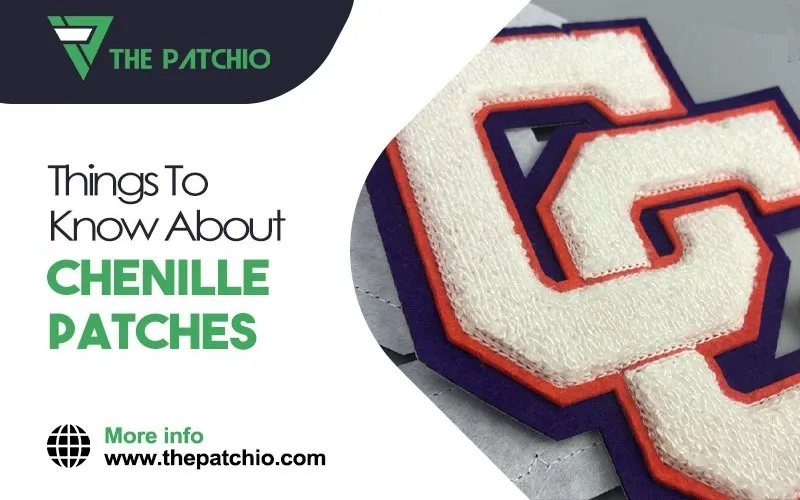
Felt is a specialty base used for a thicker, more textured patch. It gives a retro, varsity-letterman look and is often used as the base for large letter patches. It is also commonly paired with chenille work for that classic fuzzy texture you see on letterman jackets.
Felt is softer and bulkier than twill, so it suits decorative patches more than heavy-duty ones. It does not hold fine detail as cleanly as twill, so it is best for bold, simple designs.
Canvas
Canvas is a heavier, coarser base used when a patch needs extra durability. It is less common than twill but shows up on workwear patches and rugged outdoor gear where the patch takes a beating. The thicker weave handles dense stitching well but adds weight and stiffness.
Mesh and Organza
Mesh and organza bases are used for FX patches and any design that needs a partially transparent or see-through effect. The thin, open weave lets the garment show through around the stitched areas. These are specialty bases, not something you would use for a standard logo patch, but they create a distinctive look when the design calls for it.
Sublimation Polyester
For patches that need photographic detail, gradients, or full-color artwork that embroidery cannot reproduce, a tightly woven polyester base is used with dye sublimation printing instead of thread.
These are technically printed patches rather than embroidered ones, but they share the same fabric-base concept and are worth knowing about if your design has fine detail or blended colors.
Need More Information?
Request a quote. We will get back to you within 8-12 hours with a custom product quote.
Best Garment Fabrics to Apply Patches On
Once the patch is made, you attach it to a garment. The garment fabric matters because it affects how well the patch holds and how good it looks. Here are the fabrics that work best.
Denim
Denim is one of the best surfaces for patches. Its thick, sturdy weave gives the patch a strong foundation that holds up to regular wear on jackets, jeans, and bags. The rugged texture pairs well with bold patch designs, and because denim is heavy, it supports larger patches without sagging or puckering. Iron-on, sew-on, and adhesive backings all work well on denim.
Cotton
Cotton is a versatile, patch-friendly fabric. It is soft, breathable, and common on t-shirts, caps, and casual wear. The smooth surface takes patches cleanly, and iron-on adhesive bonds well with cotton's natural fibers. The one thing to watch is weight. Lightweight cotton tees handle smaller patches better than large heavy ones, which can pull and distort thin fabric.
Twill Garments
Twill is not just a patch base, it is also a great garment surface. Twill workwear, uniforms, and jackets give patches a firm, professional foundation. The tight weave holds both sewn and iron-on patches securely, which is why so many uniforms use twill.
Polyester
Polyester is durable and wrinkle-resistant, common in sportswear and outerwear. Patches hold well on polyester, but there is one caution with iron-on backings. Polyester is heat-sensitive and can scorch or melt under a hot iron, so use a lower heat setting and a pressing cloth, or choose a sew-on backing for polyester garments to be safe.
Canvas and Heavy Fabrics
Canvas bags, tote bags, and heavy work jackets are excellent patch surfaces. The thick fabric supports large, detailed patches and handles sewn-on attachment especially well. For canvas, sewing is often the most reliable method since the fabric is too thick for some iron-on adhesives to fully penetrate.
Leather
Leather is popular for biker patches and rugged jackets, but it needs special handling. You cannot iron a patch onto leather because heat damages it. Leather patches are sewn on or attached with a strong leather adhesive. The result looks great and lasts, but it is a job better suited to a professional or someone comfortable working with leather.
A quick note on fabrics to avoid: stretchy materials like spandex and jersey knits distort patches over time as they stretch, and very thin or delicate fabrics like silk and chiffon are too fragile to support a patch and can tear or pucker. If you have to put a patch on a stretchy or delicate garment, a small, light patch with a sew-on backing gives you the best chance of a clean result.
Other Factors to Consider
Beyond the fabric itself, a few things affect how well your patch works on a given garment.
1- Fabric weight: Heavier fabrics like denim, twill, and canvas support larger patches and dense designs. Lightweight fabrics like thin cotton are better suited to smaller, simpler patches that will not weigh the material down.
2- Heat resistance: If you are using iron-on patches, the garment fabric has to tolerate the heat needed to activate the adhesive. Natural fibers like cotton and denim handle it well. Synthetics like polyester and nylon need lower heat and a pressing cloth, and leather cannot take an iron at all.
3- Stretchability: Stretchy fabrics distort a patch over time as the material flexes. If you want the patch to keep its shape for years, non-stretch fabrics are the safer choice.
4- Patch backing: Different garments suit different backings. Sew-on is the most permanent and works on almost anything. Iron-on is fast and clean but only suits heat-tolerant fabrics. Velcro lets you swap patches in and out, which is handy for uniforms and tactical gear. Match the backing to the fabric and the intended use.
5- Purpose and washing: Think about how often the garment will be washed and how much wear it will see. A patch on a daily-use work jacket needs a durable fabric and a secure backing. A patch on a display piece that rarely gets washed has more flexibility.
Conclusion
Choosing the right fabric for embroidery patches really comes down to two decisions. First, the base your patch is built on, which for most patches is twill, with felt, canvas, and mesh as specialty options. Second, the garment you attach it to, where sturdy fabrics like denim, twill, and canvas hold patches best while delicate and stretchy fabrics need extra care.
Get both right and your patch will look sharp and stay put for years. Whether you are customizing a jacket, a bag, or a uniform, matching the patch base and the garment fabric to the job is what makes the difference. If you want help choosing the right setup for your design, ThePatchio can walk you through the options and produce custom patches built to last.